Nigeria is West Africa's largest hotel pipeline market — and Apapa / Tin Can Island is where many FF&E projects stall. Not at FOB Shenzhen price, but at broker packs, container dwell time and inland delivery to Lagos Island or Abuja.
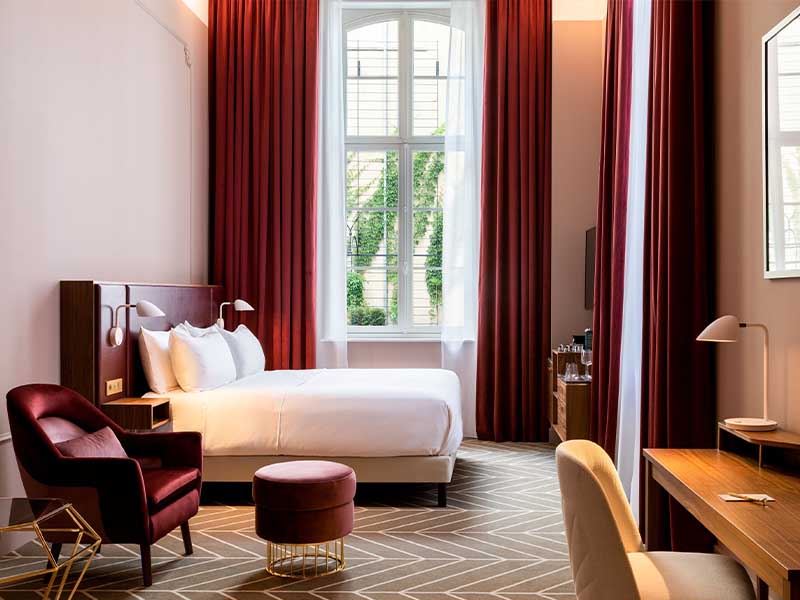
YABO consolidated our first Lagos shipments after 2019 factory start. Reference: 120-key business hotel with guestroom packages and lobby millwork shipped to Apapa with installation sequence marks (see /projects/lagos-business-hotel).
Apapa vs Tin Can Island — which port?
| Port | Typical use | Owner tip |
|---|---|---|
| Apapa | Lagos metro, older CBD corridors | High traffic — pre-clear with broker 2–3 weeks before ETA |
| Tin Can Island (TCI) | Newer Lagos corridors, some mixed cargo | Confirm terminal appointment and haulage slot early |
| Inland (Abuja) | Often via Lagos sea + road | Budget 3–7 days after port release depending on haulage |
Specify destination port in your RFQ — we label cartons by floor/wing so site teams do not unpack chaos at warehouse.
Flexible MOQ for first Nigerian properties
Owners searching commercial hotel furniture wholesale often assume 200-key MOQ. For Lagos boutique and business hotels we commonly start:
20–50 keys single room-type pilot (after 1:1 mock-up sign-off)
Mixed container — guestroom case goods + loose seating + spare hardware in one BOQ
Phased PO — tower or wing B triggers second production batch with locked finish codes
Wholesale pricing scales with SKU repeatability, not headline room count alone. Compare landed cost at /products and factory scope at /factory.
Documentation checklist (Nigeria-bound)
1. Commercial invoice with HS codes aligned to wood/metal/upholstery categories
2. Packing list matching container seal numbers
3. Bill of lading consignee details verified with your broker
4. Certificate of origin + fumigation (if required for solid wood)
5. Material declarations for upholstered goods (fabric composition, fire test refs)
6. SON/NAFDAC-related labels where applicable to your product category — confirm with broker early
Incomplete packs are the #1 driver of 1–3 week demurrage at Apapa. We prepare export-grade crating and SKU labels at Foshan before vessel cut-off.
Inland delivery & install sequencing
Release to bonded warehouse only when guestroom floor punch is complete when possible
Align container arrival with local GC lift access and corridor protection
Lock spare parts (hinges, slides, handles, touch-up kits) in the same factory PO — Lagos sites rarely tolerate 6-week backorders
Related guides
Nigeria market page: /nigeria
West Africa hub: /africa
Douala / Abidjan / Tema ports: /blog/shipping-hotel-furniture-douala-abidjan-tema-port-guide
Nigeria supplier overview: /blog/hotel-furniture-supplier-nigeria-lagos-africa
Request Apapa/TCI landed-cost BOQ at /contact#inquiry — we reply within 24 hours.
FAQ
Q: Typical lead time to Apapa? A: Mock-up 4–6 weeks + production 8–14 weeks + ocean 4–6 weeks — project dependent.
Q: Can you coordinate local installation? A: We support site sequencing and partner with your fit-out contractor; full install scope by contract.
Q: Minimum order for a Lagos soft opening? A: Often 20–50 keys after mock-up approval — send room matrix for exact MOQ.